Change grows beneath the surface

Communities don’t change simply because of new programs or policies. They change because people have experiences that shape how they think, feel, relate and act together.
Those experiences are shaped by more than any one initiative or organisation. They emerge through the relationships between local activity, institutional practice and the wider systems surrounding a place.
Arbour works as a place-based strategy and learning partner, helping organisations see how their work connects, learn across initiatives and link local knowledge and priorities with wider networks, ideas and opportunities. This helps turn shared possibilities into coordinated action.
Seeing the whole
Most places don’t lack activity. Government, funders, community organisations and local institutions are often working on related challenges, but through different projects, priorities and reporting structures.
What can be missing is the capacity to see how that work connects. Useful learning may stay inside individual projects. Similar efforts may develop separately. Local knowledge may not reach the wider systems shaping policy and investment, while national ideas and opportunities may not find their way into local practice.
Arbour works in these spaces between organisations and initiatives: noticing patterns, making connections and helping learning move to where it can be useful.
See the connections. Make relationships, overlaps, gaps and dependencies across initiatives easier to see.
Carry the learning. Bring insight from different projects and conversations together so it can inform decisions beyond the work that produced it.
Connect local and wider. Link local knowledge and priorities with wider research, policy, funding, networks and opportunities, in both directions.

Looking across and beneath
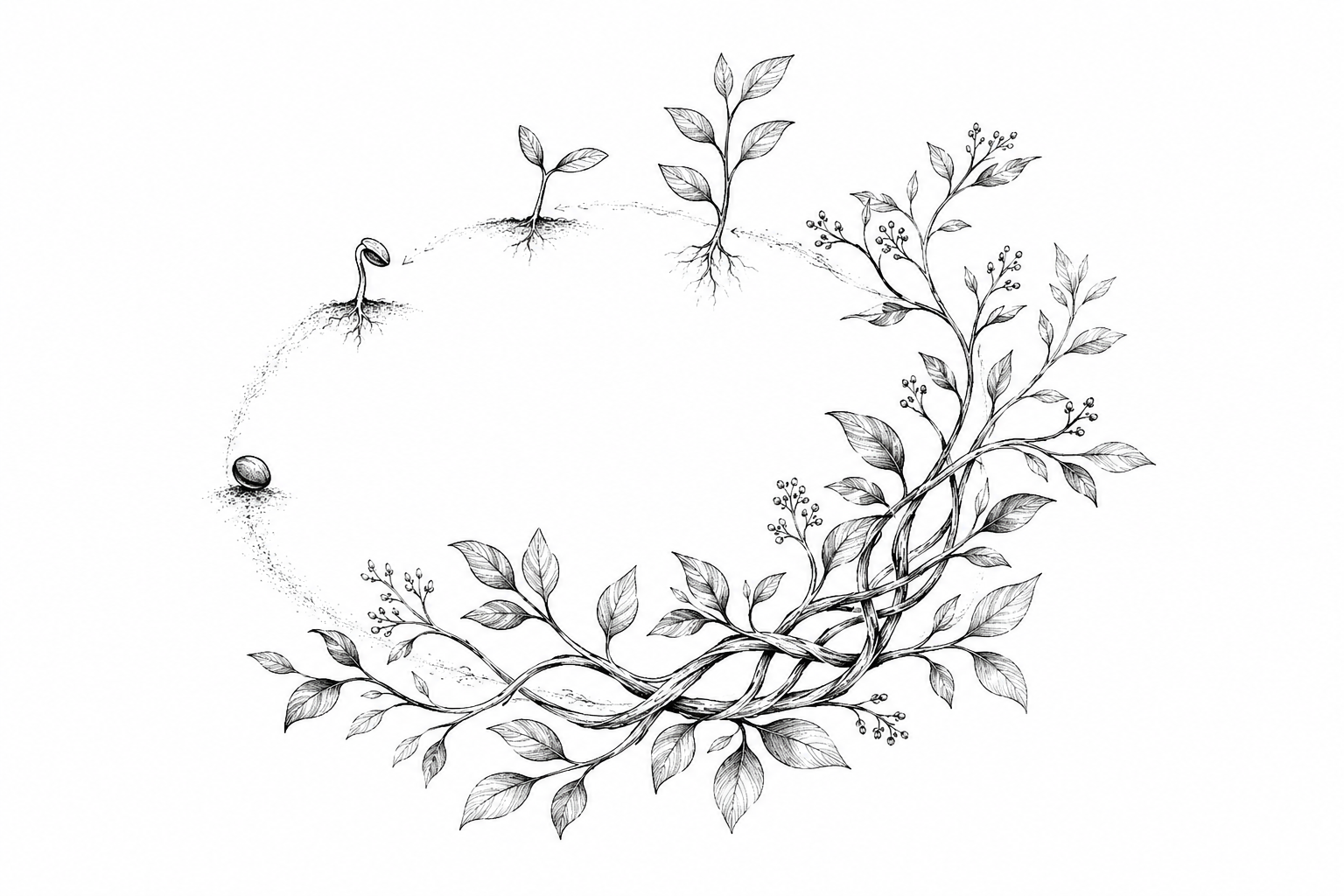
Connecting activity is only part of the work. Arbour also looks beneath it.
What are people experiencing beneath the visible activity? Which relational practices shape those experiences? What helps trust, belonging and agency grow, and what gets in the way?
Arbour helps organisations understand not just whether their work makes a difference, but how change may be happening. This makes it possible to test assumptions, adapt practice and develop principles that can guide future decisions and investment.
In other words, Arbour looks across the work happening in a place and beneath the visible activity to understand how change is taking shape, where connections may be useful and what might need to happen next.
Learning from practice
Much of Arbour’s thinking has developed through the Ballarat Civility Exchange and Living Lab: a place-based inquiry into how communities build the capacity to act together.
The work involved listening across local initiatives, noticing patterns beneath visible activity, connecting local experience with wider research and national conversations, and translating what emerged into practical learning for communities, institutions and funders.
The resulting Field Learning Report makes the often-hidden work of relationships, coordination, participation and shared responsibility more visible. It also shows what becomes possible when learning is gathered across a place rather than held inside a single project.
Read the Field Learning Report or the At a Glance summary
From the Understory
Field Notes are where Arbour’s thinking develops in public: short reflections and longer essays drawn from practice, psychology and the wider systems shaping community life.
About Ellen
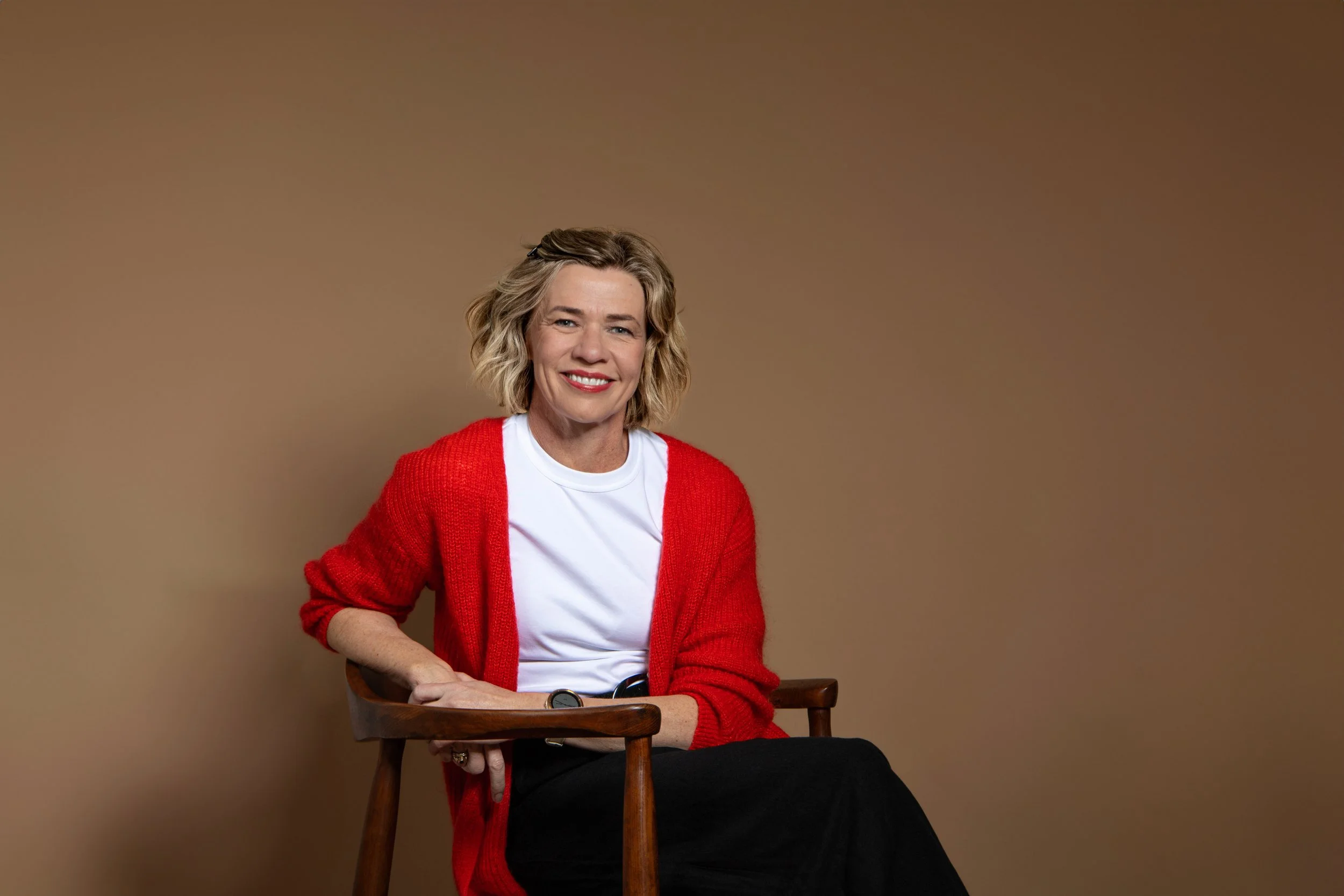
I’m a psychologist and social-change practitioner based in Ballarat. My work brings together psychology, systems thinking, strategic learning and grounded community practice.
I’m particularly interested in the spaces between organisations and initiatives: where useful connections are easily missed, where learning can become fragmented, and where someone needs to make the wider pattern easier to see.
More about Ellen →
Working on a challenge or opportunity that crosses organisational boundaries, doesn’t fit neatly into a conventional project, or would benefit from a wider view?
Let’s have a curious conversation.